01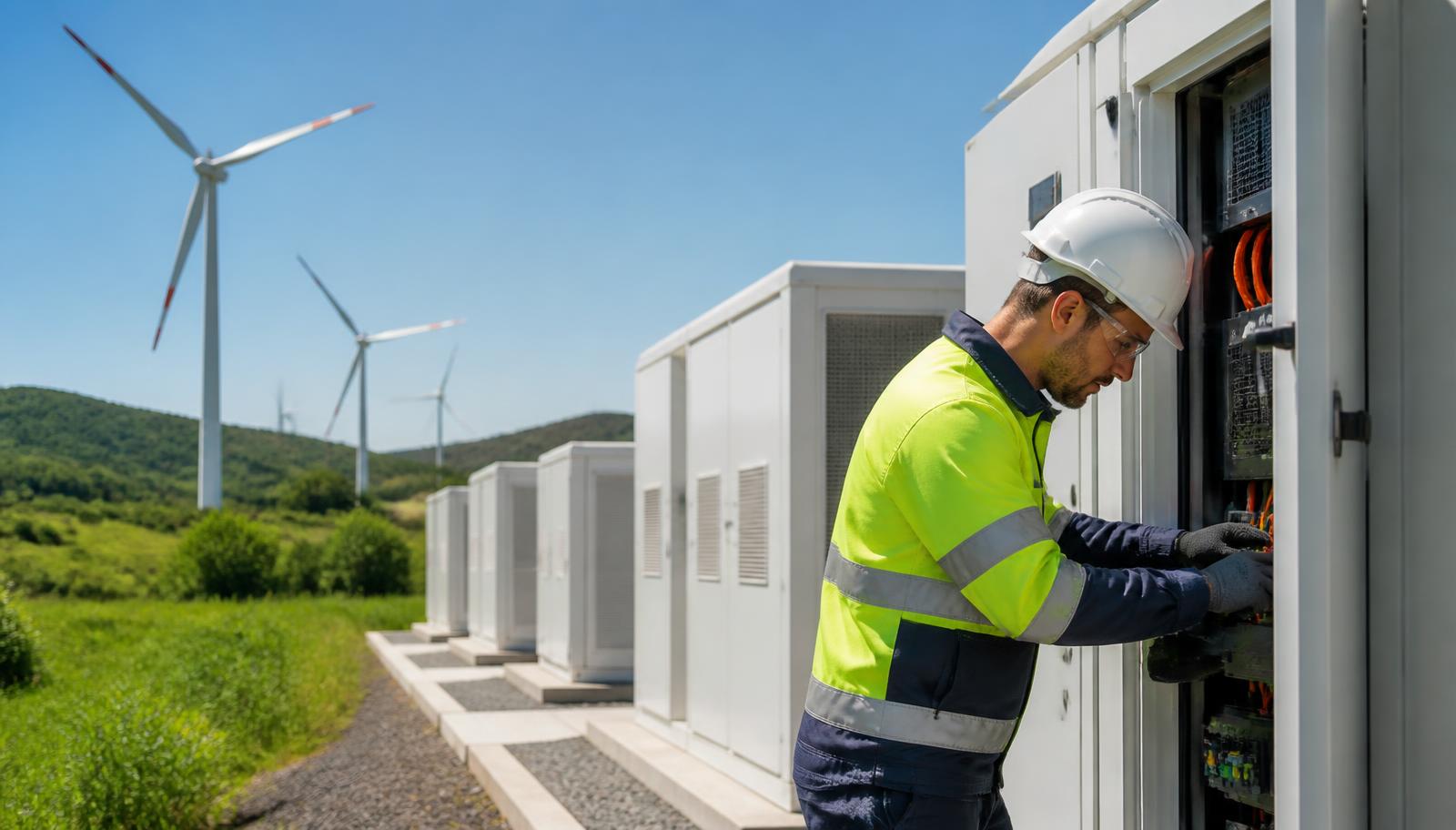
Energy & cleantech
Where does the power go when the wind stops?
Storage · Grid technology · Hydrogen · Solar · Recycling
International documentary · Innovation
Every week, a documentary magazine about innovation reaches television audiences on three continents. We produce the films that run in it — eight minutes each, made to broadcast standards, about companies whose work changes an industry.
What we are looking for
We are not looking for the biggest company. We are looking for the moment a good idea becomes a working thing — and we film it before everyone else knows.
Each film runs as part of a weekly edition on partner channels in Latin America, North America and Europe — first run and repeats within one on-air week, in Spanish and English.
3
continents — partner channels in Latin America, North America and Europe
170+
countries in which the programme can be received via international partner networks
≈ 11.7 M
average viewers per edition, according to independent media analysis
≈ 50
broadcast slots within one on-air week — first run and repeats
Reach figures based on an independent media analysis (IRIS) of one edition; results vary by edition and market.
Broadcast partner: SKULD — the international innovation magazine. A look into the future.
Subjects
The magazine has one editorial rule — the film must be about something new that works. Which industry it comes from is open. These are the fields we film most.
Where does the power go when the wind stops?
Storage · Grid technology · Hydrogen · Solar · Recycling
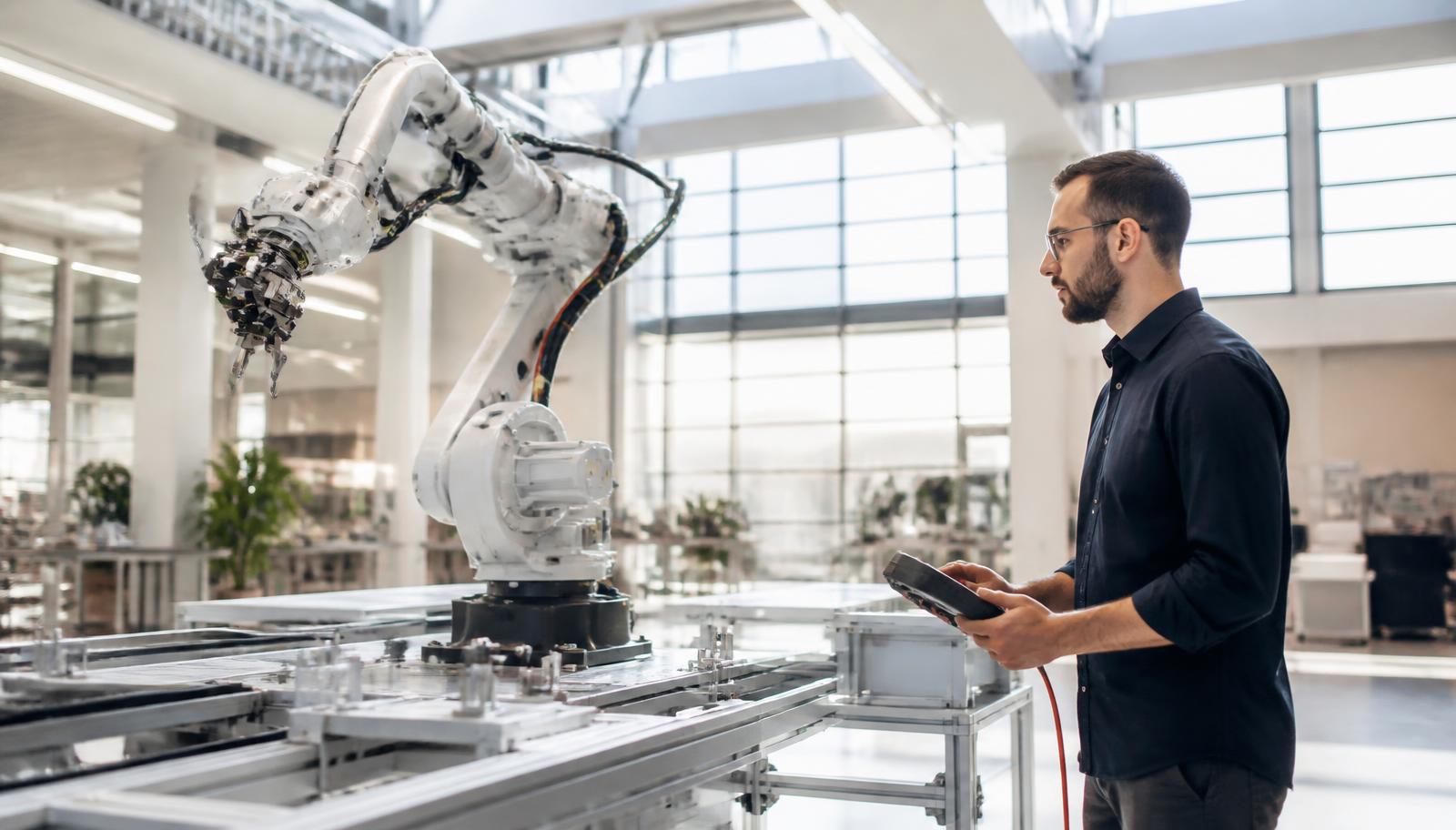
What does a factory sound like when no one is on the floor?
Robotics · Sensors · Machine building · Digital manufacturing

How small can a diagnosis get?
Diagnostics · Devices · Biotech · Health-tech
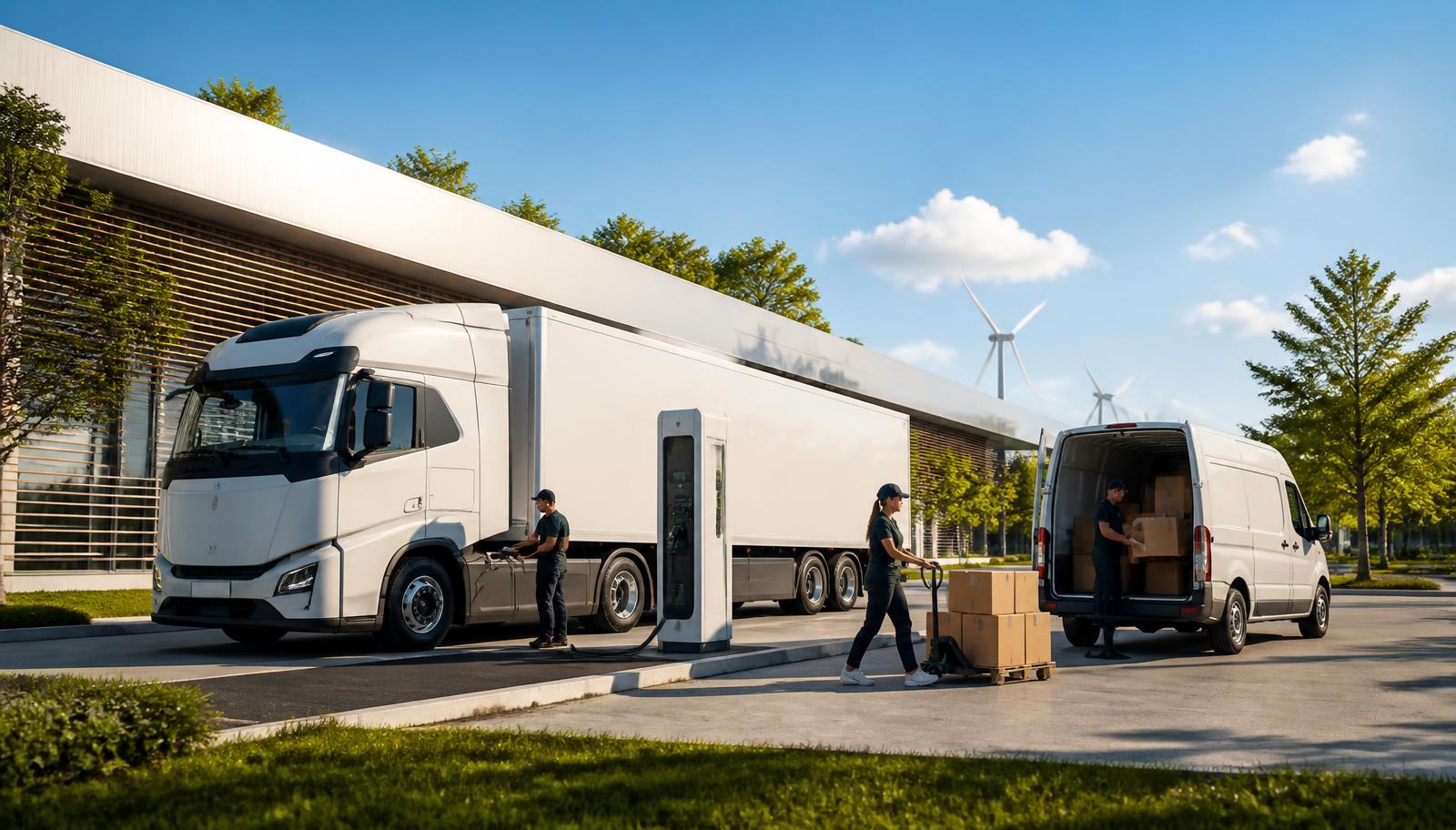
What moves a city that is no longer allowed to stand still?
E-mobility · Charging · Logistics tech · Transport
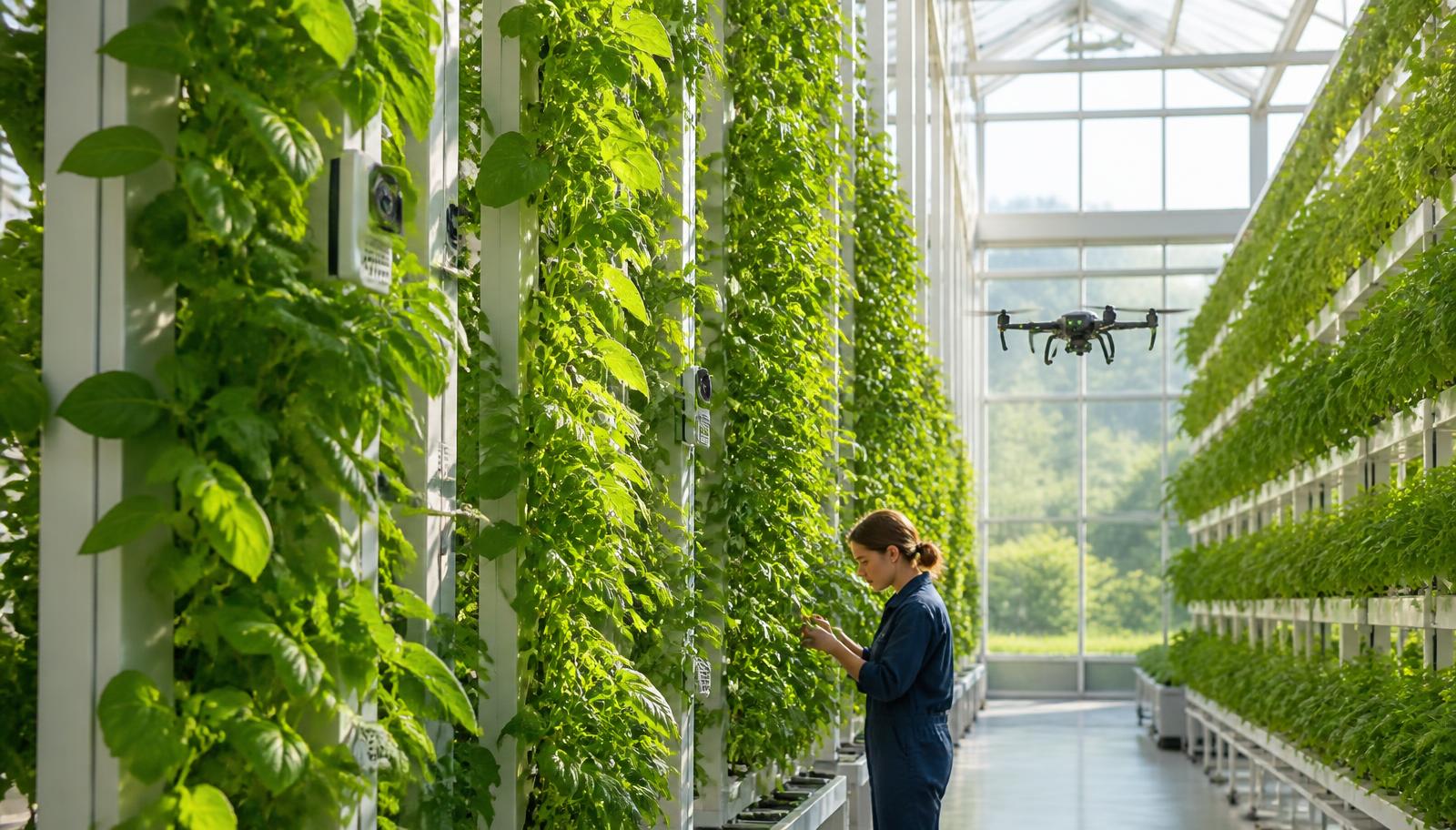
How do you grow a harvest that has never seen rain?
Precision farming · Vertical farming · Food innovation · Water
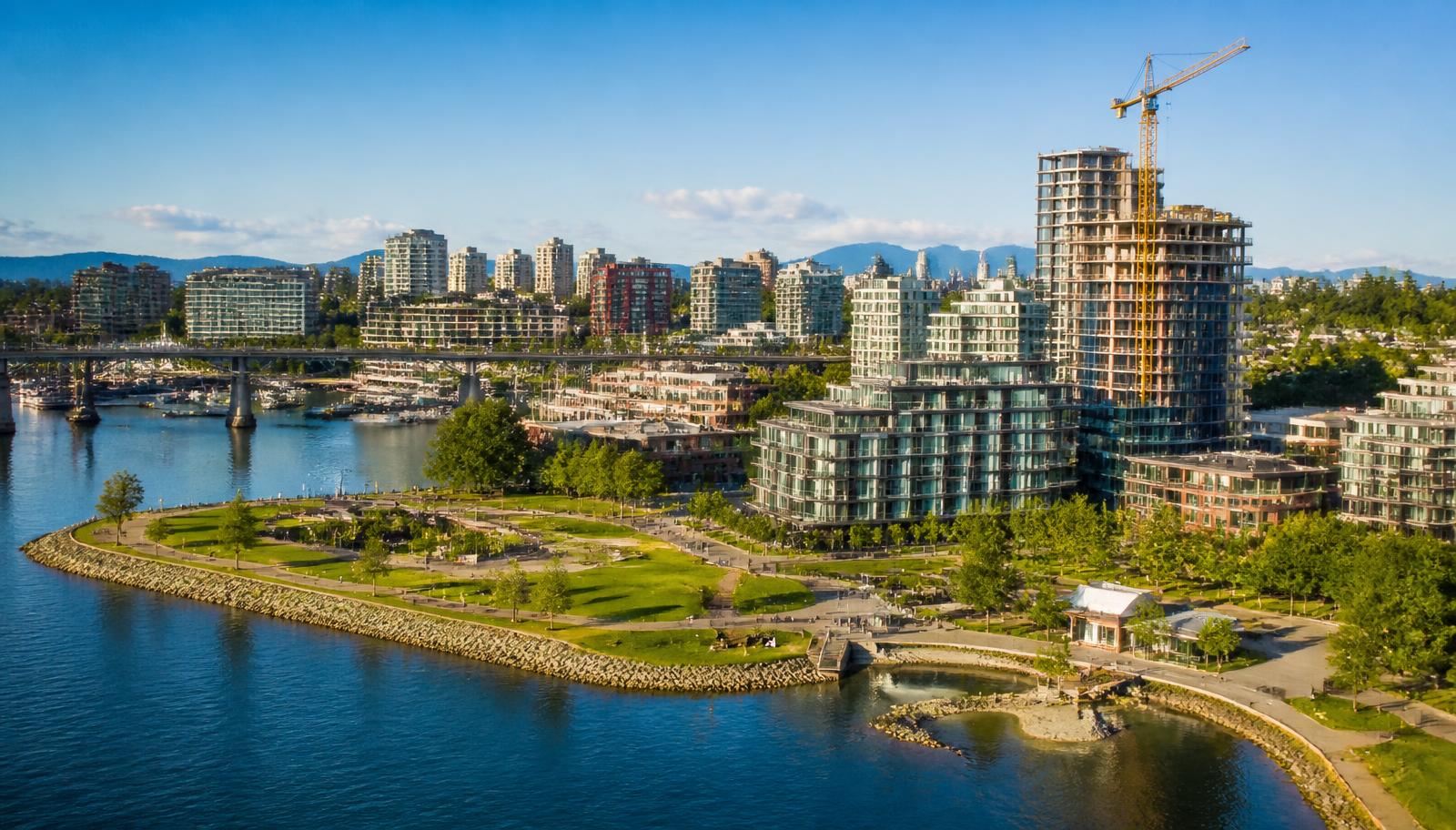
What does a place look like that is already planning for 2050?
Sustainable building · Destinations · Regional innovation · Smart city
And every other field in which something new is being built.
How a film comes about
We look at what you are building and find the angle that makes it a story for an international audience. Subject and angle are aligned with the magazine's editorial team before anything is shot.
Sources, figures, protagonists, locations. We prepare so thoroughly that one shoot day is enough.
Our crew films at your site — production floor, lab, field, office. We interview the people who actually do the work.
Edit, music, narration and graphics to broadcast standard. Produced in Spanish and English — dubbed, not subtitled — plus a clean master.
The film runs in a weekly edition on partner channels across three continents. You receive every version with unrestricted, unlimited usage rights, three social snippets and an independent media analysis.
These films are productions we make together with the companies whose innovation they show. That is exactly why we hold them to editorial standards: a film that only says what a company wants to hear does not work on television — and it does not work for the company either.
The story is the idea and what it changes. The company appears the way it appears in reality: as the place where the idea is built — not as an advertisement.
Every claim in the film has a source and an image. What cannot be proven on camera is not in the film.
Engineers, founders, operators. We interview the people who do the work, not the ones who describe it.
Subject and angle are agreed in advance with the magazine's editorial team. Their format, their audience — our film.
The format at a glance
Your subject
Tell us what you are building. We will tell you honestly whether it carries a film — and what that film would look like.